
Western Europe
Travel to France: regions, routes and advice
From Paris to the villages, from the Atlantic facades to the Alps and the Mediterranean, France is better discovered by region. A narrow route allows you to enjoy markets, landscapes and know-how without increasing the long connections.
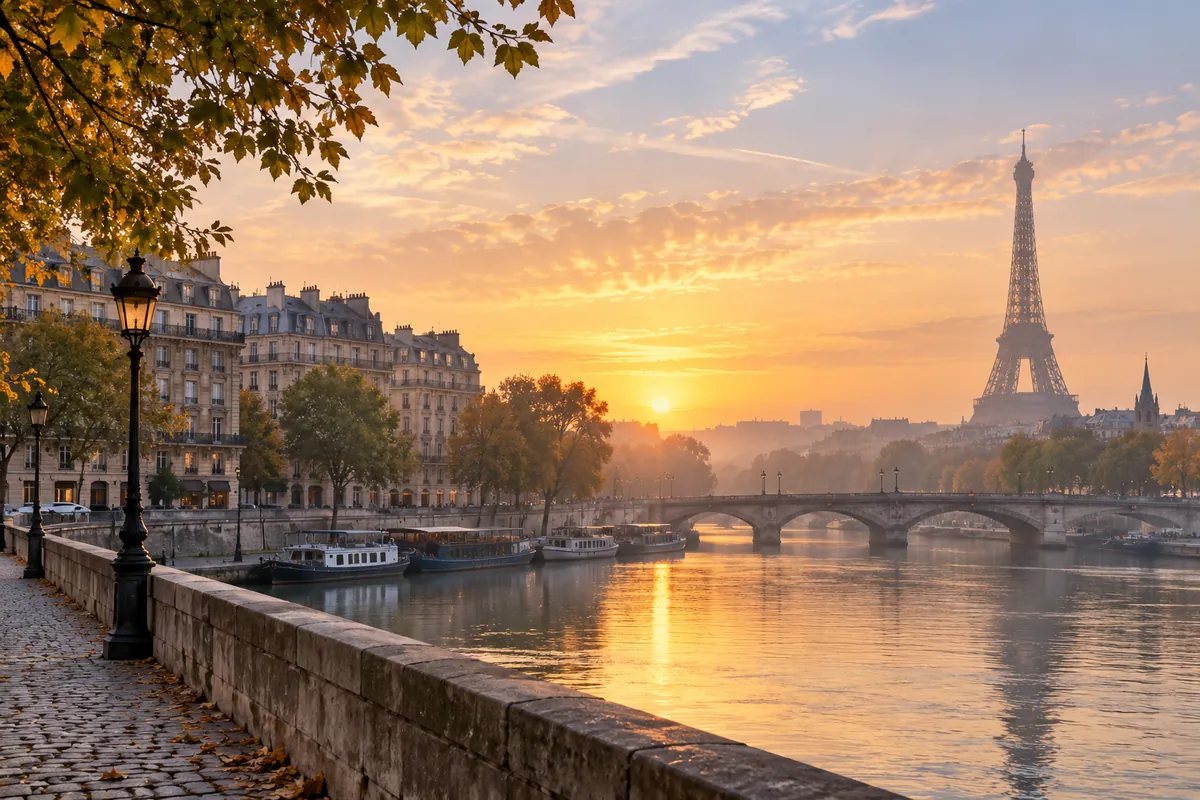
Illustration generated by IA · Origin of visuals
Factual references
France in practice
These benchmarks are used to identify the destination, read a motto and prepare contacts. They do not describe the entry conditions or the current security.
- Capital / institutional headquarters
- Paris
- Currency: code to be identified
- EUR · euro
- Telephone code
- +33
- Geographical code
- FR
The borders listed below correspond to the neighbours in the Azatour catalogue; they do not constitute an exhaustive list of all neighbouring countries.
Codes and monetary names: SIX, maintenance agency ISO 4217. Comparison of the benchmark made on October 6, 2026; the conditions of payment are verified with the provider.
Source: GeoNames, CountryInfo, import of , CC BY 4.0 license. The specific institutional seats are specified; no demographic data or exchange rates are included.
Destinations with a common land border
To consider a circuit, check separately the opening of borders, permits and transport. A common border does not guarantee an accessible crossing.
A step to understand and organize
Charts: looking at stained glass rather than multiplying monuments
The Cathedral of Chartres combines Gothic architecture, carved portals and medieval stained glass windows. These three elements give additional reading angles to the same visit.
Source of the benchmark: UNESCO World Heritage Record. UNESCO DataHub Reference . This source documents the subject; access, tickets and transport must be confirmed separately.
The decision that changes this stage
Compare a cathedral-centered tour with a stage including the city. Keep time inside to observe the windows: a quick passage in front of the facade does not meet the same project. Confirm the accessible areas and the accompanying visits separately.
Three points to confirm before booking
- Access to the cathedral's spaces
- Cunning machine compatible with offices
- Return from Chartres after the visit
Why go?
Experiences to be missed
Use these markers to compose a program adapted to your pace. Travel times, season and accommodation location count as much as the number of places visited.
Paris and the big cities
Paris, Lyon, Bordeaux, Strasbourg, Lille, Marseille or Toulouse offer very different stays. Group up the visits by neighborhood and anticipate major events.
Littoral and rural areas
Brittany, Normandy, Atlantic coast, Provence and Corsica invite you to slow down. The choice of a base limits the changes in accommodation.
Alps, Pyrenees and mountains
Hiking, winter sports and panoramic roads depend heavily on season, altitude and access conditions.
Route idea
A route to be adapted, not to be followed
This frame helps to visualize the pace of the journey. Keep margin for transfers, weather and unexpected discoveries.
- Days 1–3
Urban entrance door
Discover a large city on foot and by transport, with a program organized by neighborhoods.
- Days 4–7
A well-connected region
Join a regional base by train and then radiate to nearby towns, villages or natural sites.
- Days 8–10
Extend without dispersing
Add a step close or more time in the same region than a complete crossing of the country.
Deepening a Step
Heritage and places to understand
Prepare a visit with quirky historical and geographical landmarks, credited photographs and site-specific checkpoints.
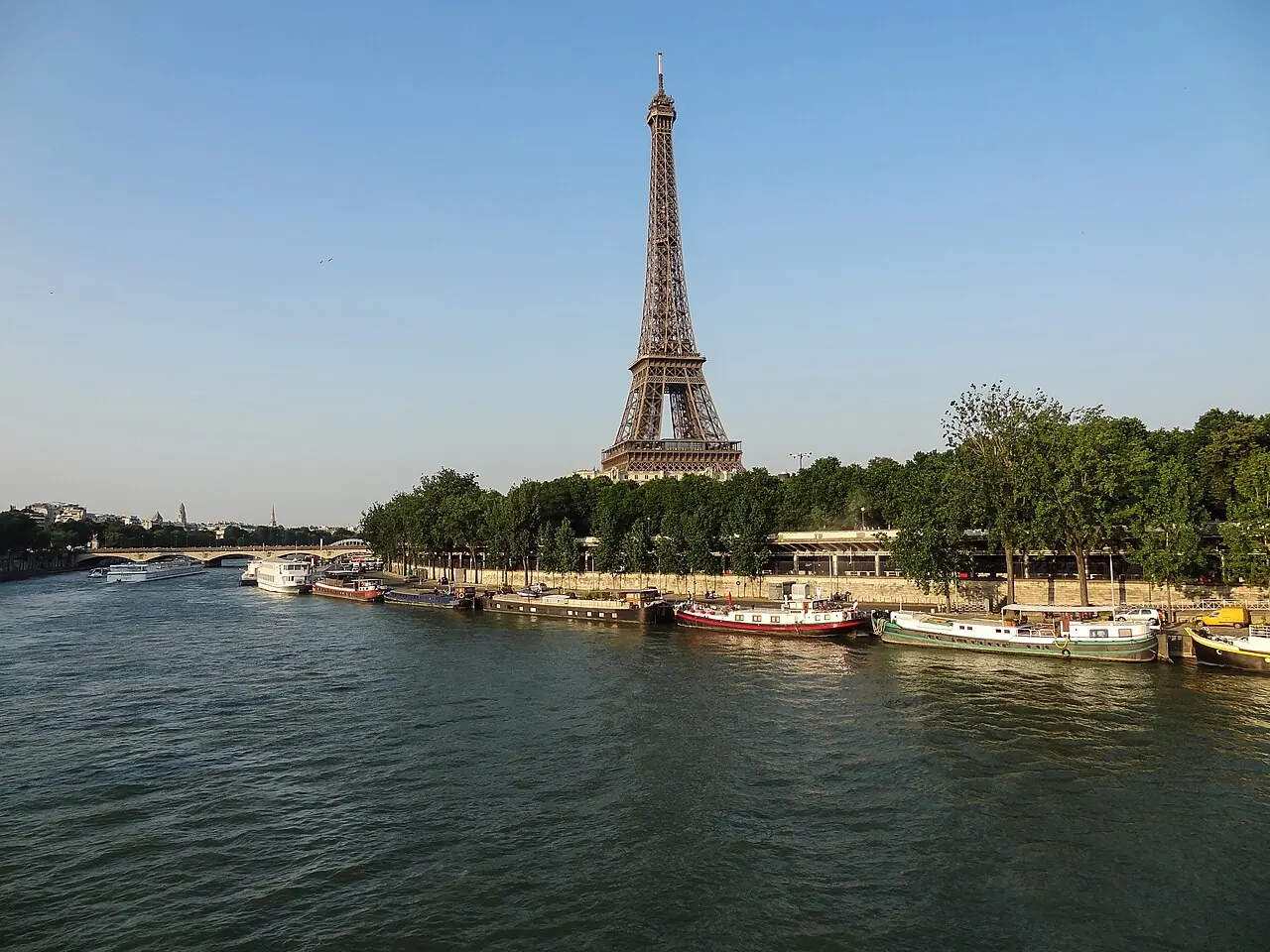
Culture · Paris, Île-de-France
Paris, banks of the Seine
The Parisian shores connect monuments of different periods in the same urban landscape. For a first discovery, choose a portion of the river and an inside visit rather than wanting to enter anywhere in a day.
Understanding and preparing the tour →Photo: Eutouring · CC BY-SA 4.0When to leave
Choose the right time
There is not a single ideal season: the best time depends on the areas visited, your activities and your tolerance to the influx or weather variations.
Spring
A pleasant time for cities, gardens and countryside, with still varying conditions depending on the altitude.
Summer
The coastline and major sites are very much in demand; book early and adapt the visits to the heat.
Autumn and winter
Harvests, museums, markets and mountains offer other experiences, with shorter days and access to check.
Before booking
Checks that avoid bad surprises
- Compare train, car and domestic flights according to door-to-door time, not only the price displayed.
- In rural or coastal areas, check seasonal schedules, parking and the last trip to accommodation.
- For museums and monuments that are very popular, you can choose official ticketing and dated slots.
- In the mountains or on the coast, check local conditions and adapt the equipment before each exit.
The formalities and recommendations may change. Check them before departure and check local information to prepare visits.
Travel Reports — France DiplomacyFrequently Asked Questions
France: Questions before departure
Which region to choose for a first trip to France?
Paris can be combined with a region accessible by train, such as Normandy, Loire, Alsace or Burgundy. For a week, two bases are enough.
Can we travel to France without a car?
Yes in large cities and on many railway routes. A car becomes useful for some villages, nature parks and coastal areas that are not well served.
How many days do you plan in Paris?
Three to five days allow a first discovery without concentrating too many visits. Group the places by neighborhood and keep time to walk.
When do I book the accommodation?
Anticipate for summer, school holidays, mountain resorts and major events. Off season, compare cancellation conditions and services actually open.
Pursue as you please
Travel ideas around France
These files compare several destinations according to the type of stay. They help to put this guide back in a wider choice.