
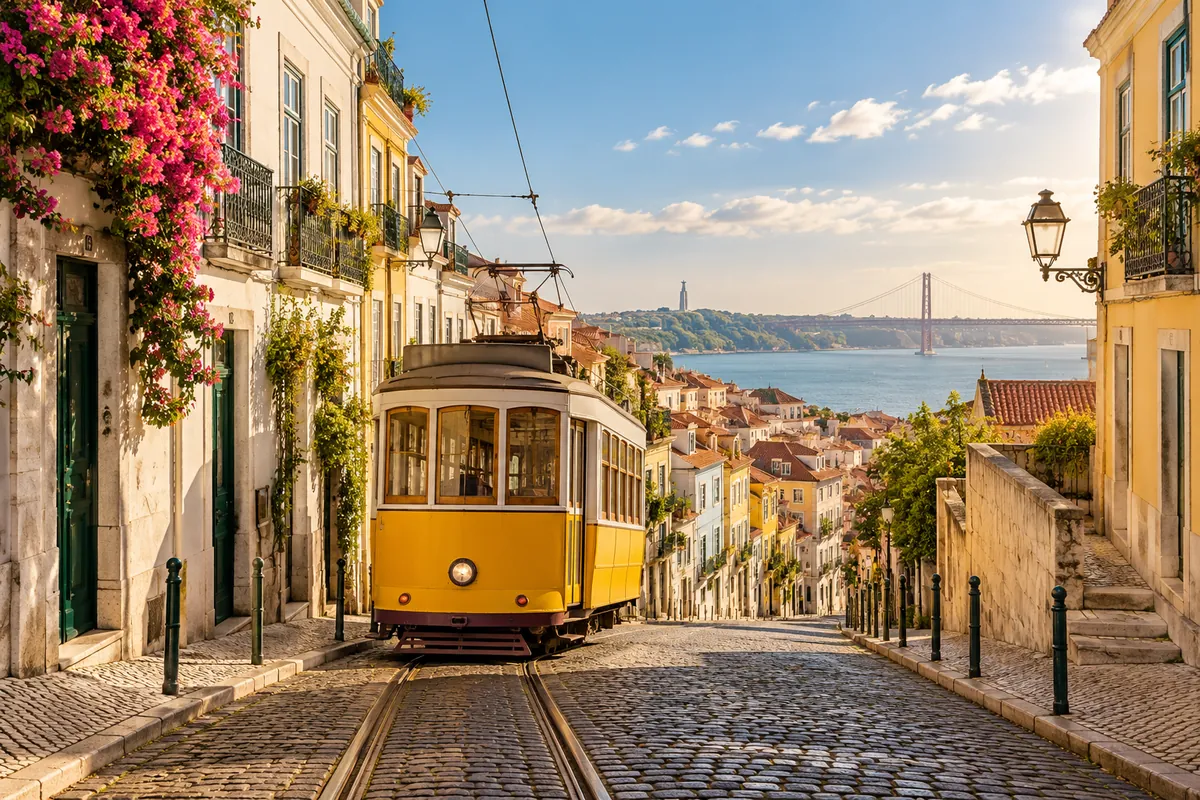
Europe · Atlantic
Trip to Portugal: directions, cities and advice
Portugal combines sloping towns, wine valleys, stone villages and Atlantic coasts. Its size invites you to connect everything, but a slower journey reveals better the differences between Lisbon, the North and the South.
Illustration generated by IA · Origin of visuals
Factual references
Portugal in practice
These benchmarks are used to identify the destination, read a motto and prepare contacts. They do not describe the entry conditions or the current security.
- Capital / institutional headquarters
- Lisbon
- Currency: code to be identified
- EUR · euro
- Telephone code
- +351
- Geographical code
- PT
The borders listed below correspond to the neighbours in the Azatour catalogue; they do not constitute an exhaustive list of all neighbouring countries.
Codes and monetary names: SIX, maintenance agency ISO 4217. Comparison of the benchmark made on October 6, 2026; the conditions of payment are verified with the provider.
Source: GeoNames, CountryInfo, import of , CC BY 4.0 license. The specific institutional seats are specified; no demographic data or exchange rates are included.
Destinations with a common land border
To consider a circuit, check separately the opening of borders, permits and transport. A common border does not guarantee an accessible crossing.
A step to understand and organize
Évora: an urban base to discover the Alentejo
The ancient centre of Évora includes traces of the Roman era and houses characterized by lime, azulejos and the open balconies.
Source of the benchmark: UNESCO World Heritage Record. UNESCO DataHub Reference . This source documents the subject; access, tickets and transport must be confirmed separately.
The decision that changes this stage
Compare a walk in Évora with a stage that serves as the basis for other trips in Alentejo. A car used to radiate does not automatically make a dwelling in the heart of old streets convenient: confirm access, luggage storage and parking.
Three points to confirm before booking
- Real access to housing
- Parking outside the pedestrian path
- Priority internal visit
Why go?
Experiences to be missed
Use these markers to compose a program adapted to your pace. Travel times, season and accommodation location count as much as the number of places visited.
Lisbon and the Tagus
Organize visits by hills and neighborhoods. Sintra deserves a dedicated day with tickets and schedules prepared in busy times.
Porto and the Douro Valley
Porto is discovered on foot despite the slopes; the Douro joins by train, car or excursion according to the desired pace.
Alentejo, Algarve or islands
These regions meet different desires. L álentejo favours villages, Algarve coast, Madeira and the Azores island nature.
Route idea
A route to be adapted, not to be followed
This frame helps to visualize the pace of the journey. Keep margin for transfers, weather and unexpected discoveries.
- Days 1–3
Lisbon by neighbourhood
Alfama, Belém and Baixa alternate for a freer half-day to accommodate slopes and transport.
- Days 4–5
Sintra or Alentejo
Choose a single extension to keep time on site rather than multiply the round trips.
- Days 6–8
Port as second base
Join Porto by train and spend an additional day at the Douro or the North Coast.
Deepening a Step
Heritage and places to understand
Prepare a visit with quirky historical and geographical landmarks, credited photographs and site-specific checkpoints.
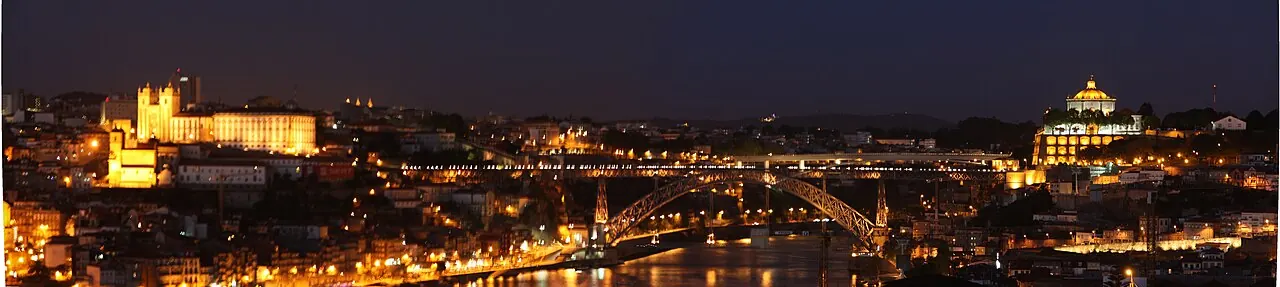
Culture · Porto and the banks of the Douro
Porto Historical Centre
Porto is read from the Douro, but also in the streets that go up the hills. The choice of accommodation and the order of visits must take into account this relief rather than the only distance on a map.
Understanding and preparing the tour →Photo: Béria Lima de Rodríguez · CC BY-SA 3.0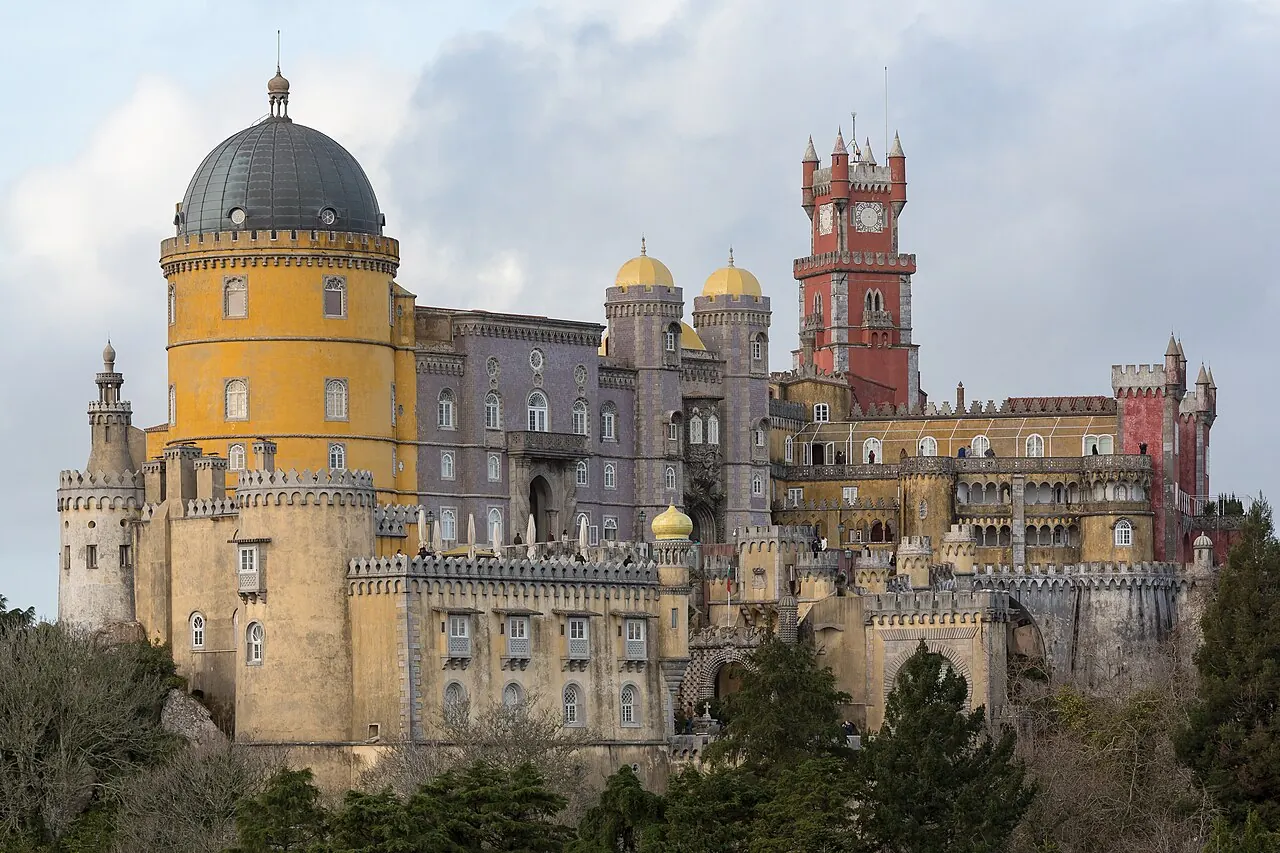
Culture · Serra de Sintra
Cultural landscape of Sintra
Sintra is a landscape of palaces, parks and reliefs. For a successful tour, start with a limited selection of places and then coordinate transport, slots and steps between accesses.
Understanding and preparing the tour →Photo : CEphoto, Uwe Aranas · CC BY-SA 3.0When to leave
Choose the right time
There is not a single ideal season: the best time depends on the areas visited, your activities and your tolerance to the influx or weather variations.
Spring
A pleasant time for cities, hikes and interiors, with a still variable weather on the Atlantic.
Summer
Very much in demand on the coast; heat and fire risk require that local recommendations be followed.
Autumn and winter
Autumn is still favourable to many regions; winter is suitable for cities with more rain in the North.
Before booking
Checks that avoid bad surprises
- Plan shoes adapted to the cobblestones and the sloping streets of Lisbon and Porto.
- For coasts and trails, check wind, swell, heat and any local restrictions before activity.
- Compare train and car: the rail links Lisbon and Porto well, while a car helps in rural areas.
- Check identity documents and official alerts, including during heat and fire episodes.
The formalities and recommendations may change. Check them before departure and check local information to prepare visits.
Travel Reports — France DiplomacyFrequently Asked Questions
Portugal: questions before departure
How many days does it take for Lisbon?
Three days allow for a first discovery. Add a day for Sintra and more if you want to explore the coast without haste.
Can we visit Lisbon and Porto in a week?
Yes, by spending about three nights in each city and limiting excursions. The train simplifies the journey between the two.
Do you need a car in Portugal?
It is useless for a stay centered on Lisbon and Porto. It becomes practical in Alentejo, parts of Algarve and rural areas.
When to go to Portugal?
Spring and early autumn often provide a good balance. Summer is suitable for the coastline but requires more anticipation.
Pursue as you please
Travel ideas around Portugal
These files compare several destinations according to the type of stay. They help to put this guide back in a wider choice.