
Oceania · Pacific
Travel to New Zealand: road trip and route
New Zealand seems compact on a map, but its winding roads, crossings and many natural stages take time. A successful trip chooses an island or a linear route with several nights at major locations.
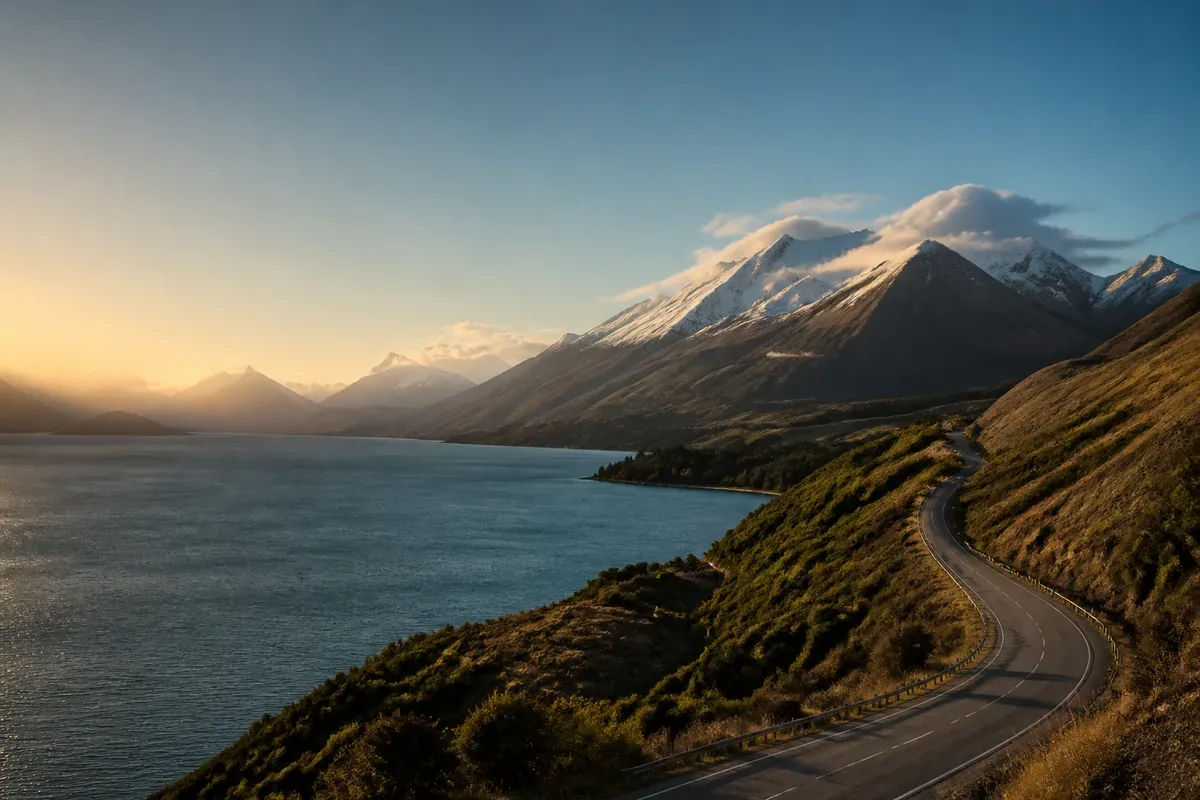
Visual illustration — scenes do not document the current conditions of the place.
Factual references
New Zealand in practice
These benchmarks are used to identify the destination, read a motto and prepare contacts. They do not describe the entry conditions or the current security.
- Capital / institutional headquarters
- Wellington
- Currency: code to be identified
- NZD · dollar néo-zélandais
- Telephone code
- +64
- Geographical code
- NZ
The borders listed below correspond to the neighbours in the Azatour catalogue; they do not constitute an exhaustive list of all neighbouring countries.
Codes and monetary names: SIX, maintenance agency ISO 4217. Comparison of the benchmark made on October 6, 2026; the conditions of payment are verified with the provider.
Source: GeoNames, CountryInfo, import of , CC BY 4.0 license. The specific institutional seats are specified; no demographic data or exchange rates are included.
A step to understand and organize
Tongariro: Respecting the cultural landscape and choosing its way
Tongariro combines a natural mountain landscape with a cultural and religious significance for the Māori. Heritage recognition is about this relationship at the site.
Source of the benchmark: UNESCO World Heritage Record. UNESCO DataHub Reference . This source documents the subject; access, tickets and transport must be confirmed separately.
The decision that changes this stage
Choose a route according to current travellers and conditions, without considering a large crossing as mandatory. Ask for effort, transport, equipment and cultural instructions. Compare a short walk with an engaged hike and keep an alternative in case of adverse conditions.
Three points to confirm before booking
- Appropriate paths and effort
- Transport and equipment requirements
- Local records and weather alternative
Why go?
Experiences to be missed
Use these markers to compose a program adapted to your pace. Travel times, season and accommodation location count as much as the number of places visited.
Northern Island
Auckland, Rotorua, volcanoes and Wellington make up a cultural and geothermal route with still significant distances.
South Island
Alps, fjords, lakes and coasts attract road and hiking enthusiasts. Isolated accommodation is better than anticipated.
Walking and watching
The trails, marine outings and parks depend on the weather. Plan alternatives and strictly observe the rules of protection of the environment.
In images
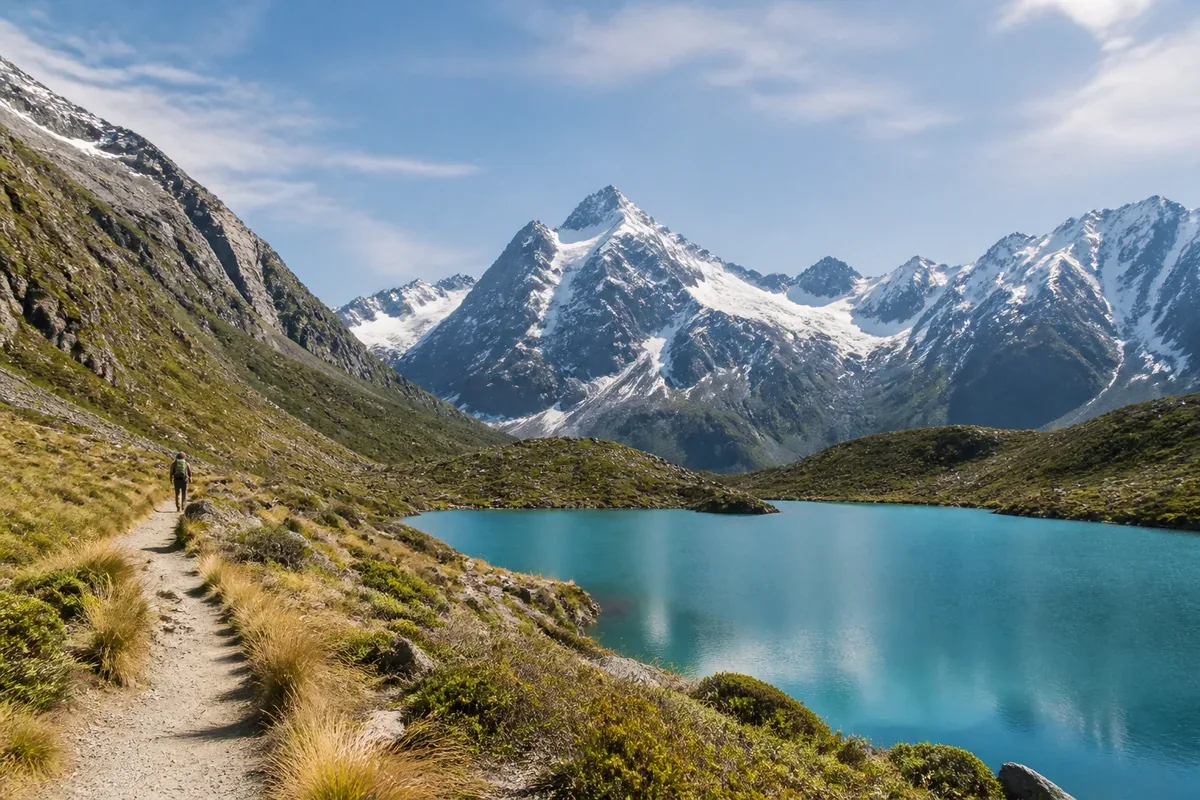
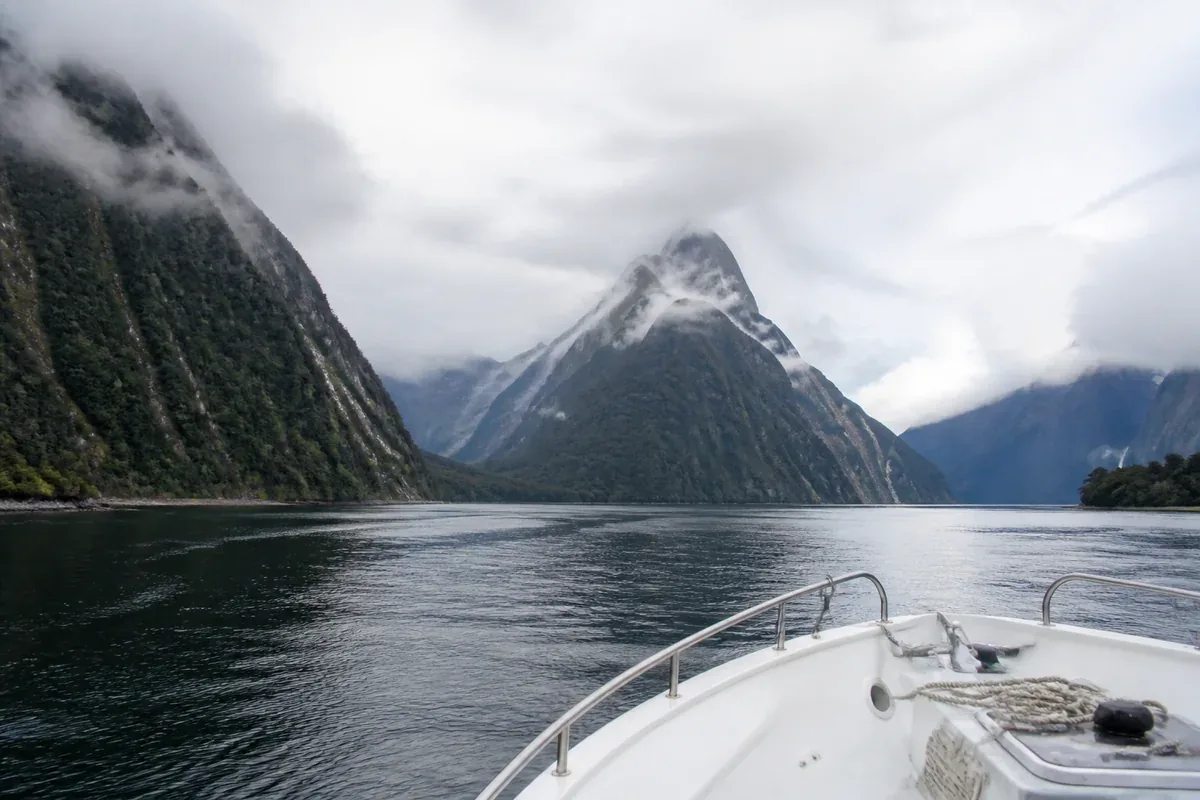
Illustrations around New Zealand
These visuals illustrate the subject; they do not constitute photographic evidence of the place, accesses or current conditions.
Route idea
A route to be adapted, not to be followed
This frame helps to visualize the pace of the journey. Keep margin for transfers, weather and unexpected discoveries.
- Days 1–5
A first region without running
Get a long trip and explore a city as well as two nearby areas with several nights per base.
- Days 6–12
Panoramic road
Connect lakes, mountains or coasts with short stages and a day of weather margin.
- Days 13–18
A second atmosphere
Add a park or other part of the same island rather than a quick return trip to the other island.
When to leave
Choose the right time
There is not a single ideal season: the best time depends on the areas visited, your activities and your tolerance to the influx or weather variations.
Southern Summer
Long days encourage road and hiking, but accommodation, ferries and activities are very much needed.
Spring and autumn
Interesting periods with less frequent, but changing weather and some seasonal services.
Southern winter
Adapted to winter sports and cities, with roads, trails and passes to check before each stage.
Before booking
Checks that avoid bad surprises
- Calculate the journeys in hours and add breaks: panoramic routes are often slower than expected.
- Check ferry, vehicle restitution, left-hand drive, insurance and restrictions on unpaved roads.
- Book the hikes and accommodations that are very much requested only via official platforms or operators.
- Follow biosecurity rules on arrival and clean shoes and outdoor equipment before travel.
The formalities and recommendations may change. Check them before departure and check local information to prepare visits.
Travel Reports — France DiplomacyFrequently Asked Questions
New Zealand: questions before departure
How long does it take for New Zealand?
Two weeks are suitable for one island or region. Three to four weeks allow to combine the two islands with a more realistic rhythm.
Which island to choose for a first trip?
The island of the North combines culture, cities and geothermal energy; the island of the South favours mountains, lakes and great nature routes.
Car or motorhome?
The car offers more choice of accommodation and a simpler driving. The motorhome asks to check the parking rules, equipment and full costs.
When do I book a road trip?
Anticipate for the Southern Summer, Holidays, Ferries and Great Hiking. Nevertheless, keep cancellation conditions adapted to the weather.
Pursue as you please
Travel ideas around New Zealand
These files compare several destinations according to the type of stay. They help to put this guide back in a wider choice.