
East Asia
Travel to Japan: directions, seasons and advice
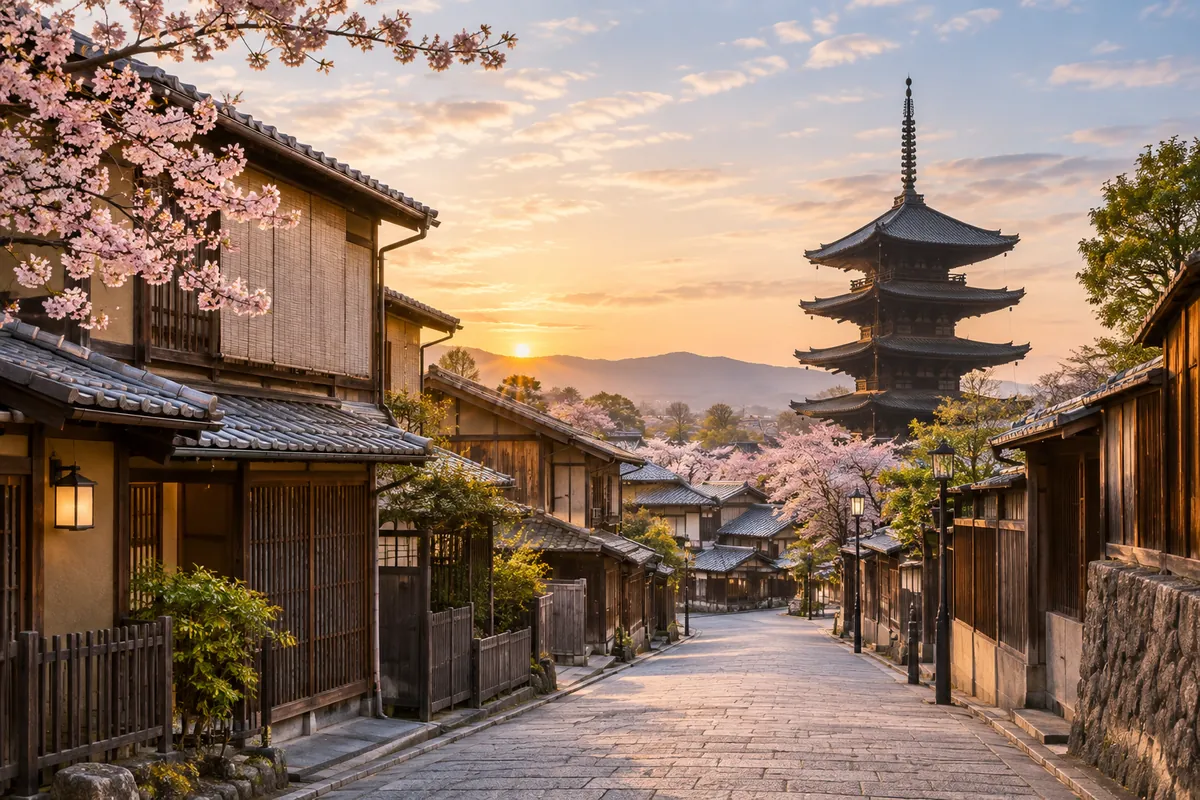
Japan is discovered in contrasts: precise megacities, historical districts, mountains, coastlines and living traditions. A first route wins to connect few steps and keep time for details.
Illustration generated by IA · Origin of visuals
Factual references
Japan in practice
These benchmarks are used to identify the destination, read a motto and prepare contacts. They do not describe the entry conditions or the current security.
- Capital / institutional headquarters
- Tokyo
- Currency: code to be identified
- JPY · yen
- Telephone code
- +81
- Geographical code
- JP
The borders listed below correspond to the neighbours in the Azatour catalogue; they do not constitute an exhaustive list of all neighbouring countries.
Codes and monetary names: SIX, maintenance agency ISO 4217. Comparison of the benchmark made on October 6, 2026; the conditions of payment are verified with the provider.
Source: GeoNames, CountryInfo, import of , CC BY 4.0 license. The specific institutional seats are specified; no demographic data or exchange rates are included.
A step to understand and organize
Nara: choosing monuments from an old capital
Nara was a Japanese capital in the eighth century. Its heritage includes Buddhist temples, Shinto shrines and remains of the imperial palace.
Source of the benchmark: UNESCO World Heritage Record. UNESCO DataHub Reference . This source documents the subject; access, tickets and transport must be confirmed separately.
The decision that changes this stage
Compare an output from your base with a step that leaves more time for the selected sets. Ask which buildings are open and what interiors you want to see. A walk in the area does not automatically give access to all collections or religious spaces.
Three points to confirm before booking
- Selected sets and interiors
- Walking between places
- Return to base or overnight stay held
Why go?
Experiences to be missed
Use these markers to compose a program adapted to your pace. Travel times, season and accommodation location count as much as the number of places visited.
Tokyo by neighbourhood
Treat Tokyo as a set of cities: group tours by area and choose accommodation near a useful line rather than on the neighbourhood's only reputation.
Kyoto at the right pace
The temples, gardens and alleyways are better discovered early in the morning or late in the day. Plan several nights to get out of the most concentrated routes.
A region beyond the classical duo
Japanese Alps, inland sea, Kyushu or Tohoku give another reading of the country. Choose a single extension consistent with the season.
Route idea
A route to be adapted, not to be followed
This frame helps to visualize the pace of the journey. Keep margin for transfers, weather and unexpected discoveries.
- Days 1–4
Tokyo without wanting to see everything
Alternate large neighborhoods, museums, markets and a slower day to absorb the time lag.
- Days 5–9
Kyoto and Nara
Set up several nights in Kyoto and spend a day in Nara or another nearby excursion.
- Days 10–14
A targeted extension
Add Hakone, Kanazawa, Hiroshima or a rural area according to your priorities and times of transport.
Deepening a Step
Heritage and places to understand
Prepare a visit with quirky historical and geographical landmarks, credited photographs and site-specific checkpoints.
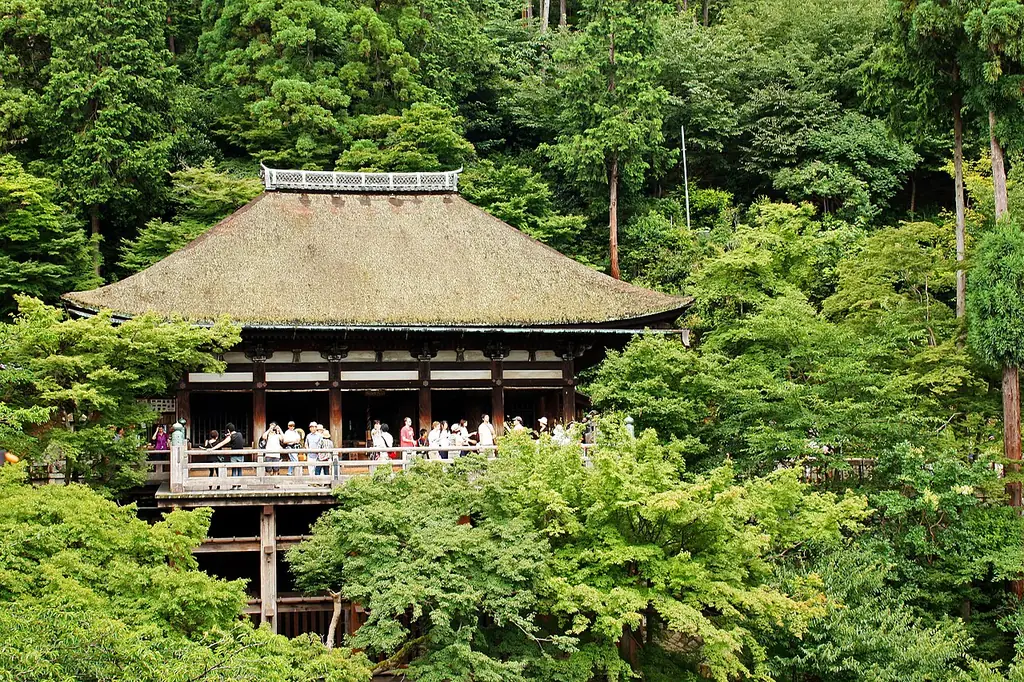
Culture · Kyoto, Uji and Otsu
Monuments of the old Kyoto
Kyoto's heritage combines wooden architecture, religious places and gardens. The property registered also covers Uji and Otsu: wanting to link all its elements in a single day would waste the observation time that gives value to the stay.
Understanding and preparing the tour →Photo: Andrea Schaffer from Sydney, Australia · CC BY 2.0When to leave
Choose the right time
There is not a single ideal season: the best time depends on the areas visited, your activities and your tolerance to the influx or weather variations.
Spring
Very sought after for pleasant blooms and temperatures; compare early accommodations and accept a strong influx.
Summer
Heat and humidity can be marked, with festivals and regions of altitude or of the north more suitable.
Autumn and winter
Autumn is a delight for its colours; winter is suitable for cities, hot springs and snow-covered areas according to the programme.
Before booking
Checks that avoid bad surprises
- Compare train tickets to one-on-one with different passes: a national pass is not automatically profitable.
- Choose hotels according to the connections actually used and the distance on foot from the station.
- Keep a margin for luggage when changing cities and review the shipping services between accommodation.
- Check entry formalities and official recommendations just before departure.
The formalities and recommendations may change. Check them before departure and check local information to prepare visits.
Travel Reports — France DiplomacyFrequently Asked Questions
Japan: Questions Before Departure · Global Voices
How many days do you plan for a first trip to Japan?
Two weeks offer a good balance between Tokyo, Kyoto and a third stage. Ten days remain possible by limiting the changes in accommodation.
Should we buy a rail pass?
Not systematically. Calculate the cost of the planned trips and compare it to the national or regional passes available at the time of the trip.
Where to stay in Tokyo?
Prefer a station well connected to the areas of your program. Shinjuku, Ueno, Tokyo Station or quieter areas can all suit according to the stay.
Can we travel to Japan without speaking Japanese?
Yes, especially on the major routes. However, a translation application, registered addresses and some politeness formulas make it easier to stay.
Pursue as you please
Travel ideas around Japan
These files compare several destinations according to the type of stay. They help to put this guide back in a wider choice.