
Northern Europe · Atlantic
Travel to Iceland: itinerary, seasons and road trip
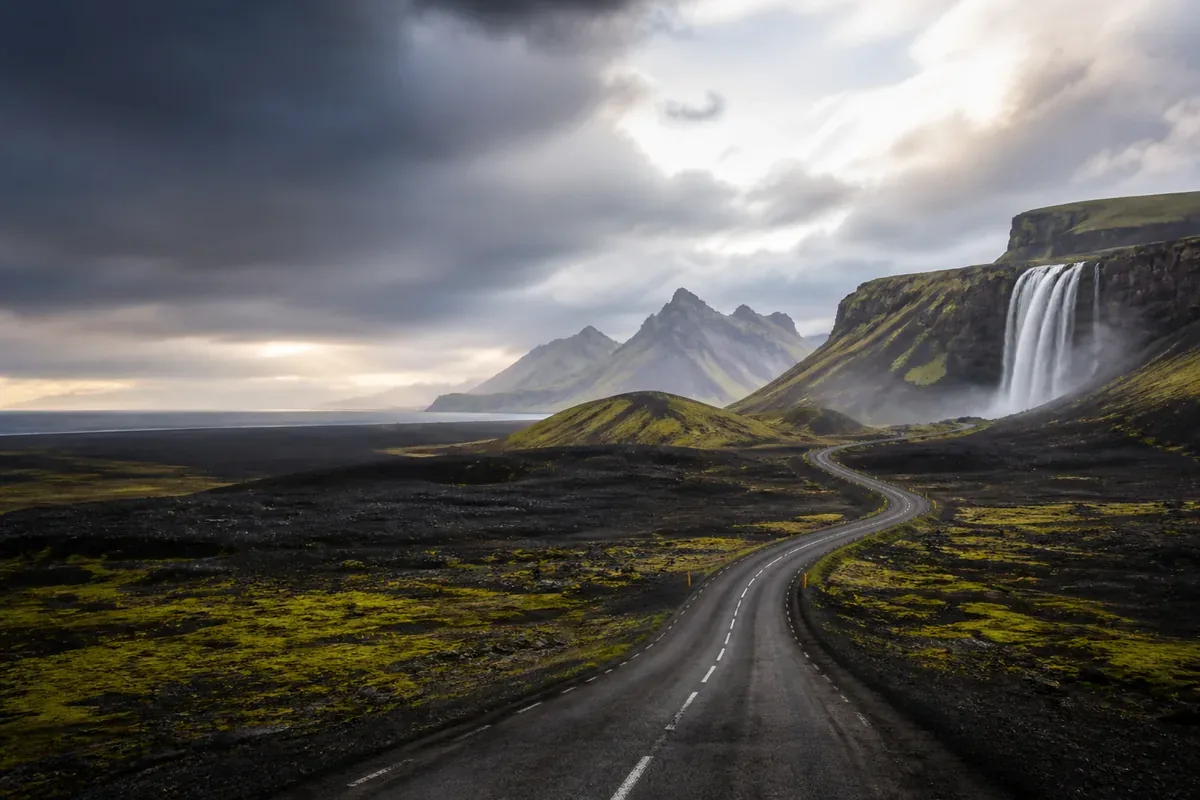
In Iceland, the weather and road conditions draw the journey as well as the map. A short, adaptable and well prepared itinerary leaves room for waterfalls, black beaches and large spaces without turning the stay into a race.
Visual illustration — scenes do not document the current conditions of the place.
Factual references
Iceland in practice
These benchmarks are used to identify the destination, read a motto and prepare contacts. They do not describe the entry conditions or the current security.
- Capital / institutional headquarters
- Reykjavík
- Currency: code to be identified
- ISK · Iceland Krona
- Telephone code
- +354
- Geographical code
- IS
The borders listed below correspond to the neighbours in the Azatour catalogue; they do not constitute an exhaustive list of all neighbouring countries.
Codes and monetary names: SIX, maintenance agency ISO 4217. Comparison of the benchmark made on October 6, 2026; the conditions of payment are verified with the provider.
Source: GeoNames, CountryInfo, import of , CC BY 4.0 license. The specific institutional seats are specified; no demographic data or exchange rates are included.
A step to understand and organize
Þingvellir : ajouter l’histoire au parcours paysager
The site is a historical landscape as well as a visual step.
Source of the benchmark: UNESCO World Heritage Record. UNESCO DataHub Reference . This source documents the subject; access, tickets and transport must be confirmed separately.
The decision that changes this stage
If you are entering a loop, reserve a time to walk and read the site, instead of counting only a photographic stop. Separate access to activities that may be sold in the surrounding area: they ask for their own terms and conditions.
Three points to confirm before booking
- Pedestrian path selected
- Access status and local weather
- Benefits reserved separately
Why go?
Experiences to be missed
Use these markers to compose a program adapted to your pace. Travel times, season and accommodation location count as much as the number of places visited.
Reykjavik and the Gold Circle
The capital is a practical base for arrival. The d-Or circle allows for a first discovery, but deserves early departures to avoid the most frequented hours.
The South Coast
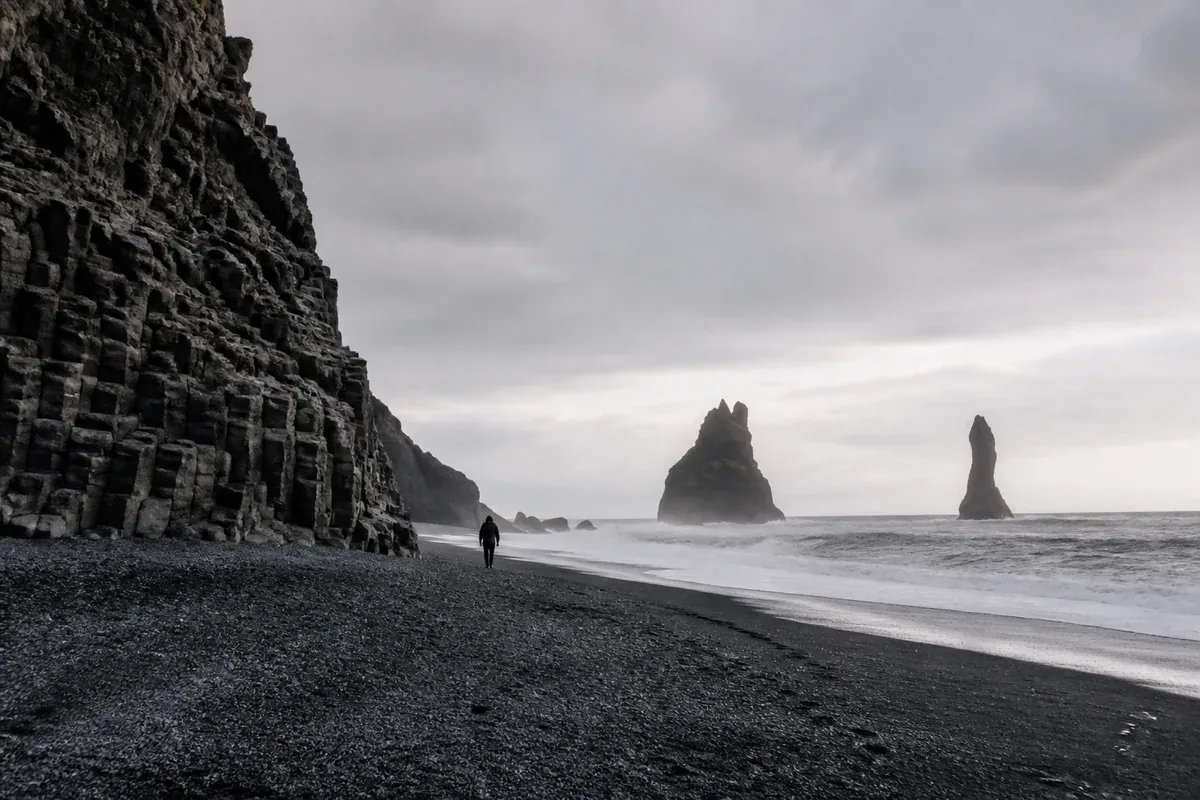
Cascades, glacial tongues, black sandy beaches and cliffs are chained on an accessible axis. Keep time for the weather and unexpected stops.
Penins and upland
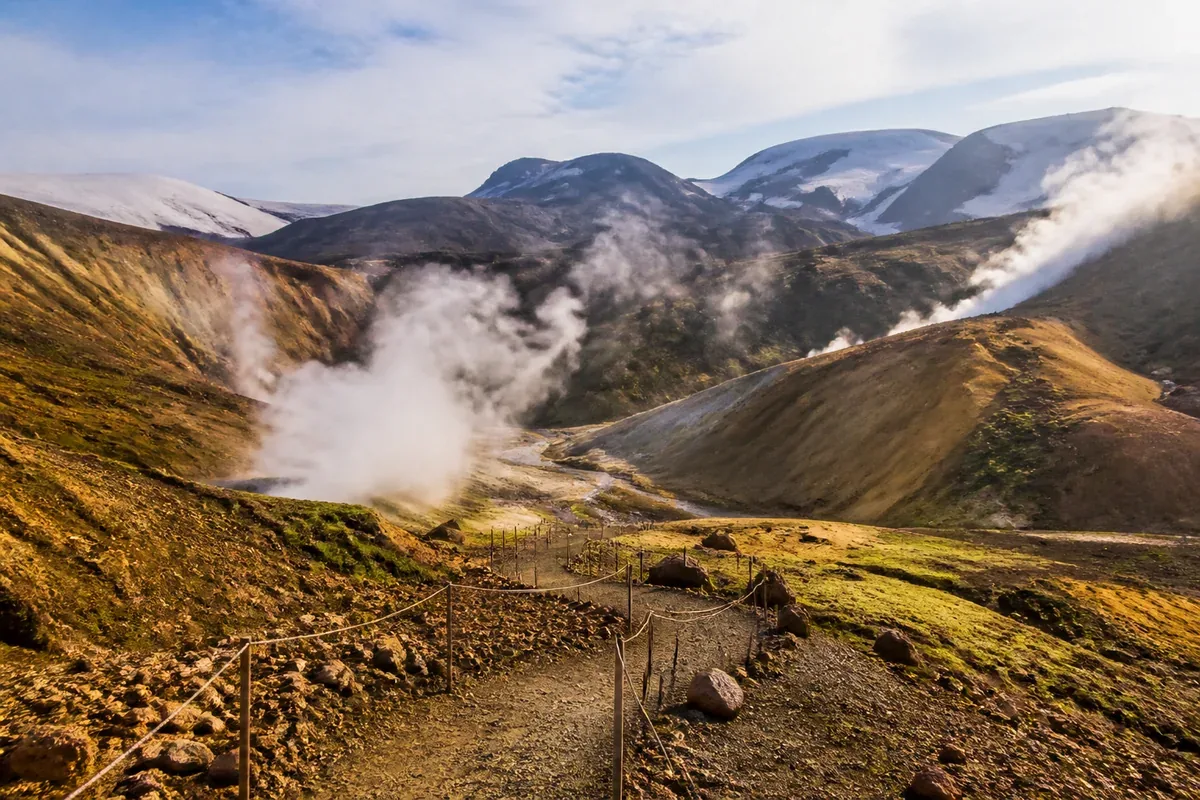
Snaefellsnes, fjords or inland runways require additional days and a vehicle that is truly adapted to the conditions.
In images
Illustrations around Iceland
These visuals illustrate the subject; they do not constitute photographic evidence of the place, accesses or current conditions.
Route idea
A route to be adapted, not to be followed
This frame helps to visualize the pace of the journey. Keep margin for transfers, weather and unexpected discoveries.
- Days 1–2
Reykjavik and the Gold Circle
Get some flying, discover the capital and then spend a full day at the d-Or circle with a measured program.
- Days 3–5
The South Coast in several stages
Go to Vik and the glacial landscapes by booking nights that avoid long daily returns.
- Days 6–8
Choose one extension
Add the Snaefellsnes Peninsula, the southeast or more time near Reykjavik rather than wanting to go around the island.
When to leave
Choose the right time
There is not a single ideal season: the best time depends on the areas visited, your activities and your tolerance to the influx or weather variations.
Summer
Long days make it easier to drive, but accommodation and vehicles require anticipation.
Inter-season
Interesting lights and more moderate attendance, with more unstable weather and light schedules to watch.
Winter
Landscapes and aurora attract, but driving, roads and daytime require a cautious and flexible program.
Before booking
Checks that avoid bad surprises
- Check daily weather conditions, road conditions and local alerts before you go on the road.
- Off-track driving is prohibited: stay on authorized roads and tracks to protect very fragile environments.
- Choose the vehicle according to your season and your roads, then check insurance, tires, assistance and contractual restrictions.
- Plan waterproof clothing, hot diapers and a budget margin for fuel, parking and activities.
The formalities and recommendations may change. Check them before departure and check local information to prepare visits.
Travel Reports — France DiplomacyFrequently Asked Questions
Iceland: Questions before departure
How many days does it take to discover Iceland?
Five to seven days are enough for Reykjavik and the South Coast. For a tour of the island, rather, plan ten to twelve days, with margins for the weather.
Should we rent a car in Iceland?
She's very useful to get out of Reykjavik. The type of vehicle depends on the roads and season: check the rental rules and possible closures.
Can we see some northern lights in Iceland?
The chances depend on darkness, cloud cover and solar activity. Consider them a possibility and not a guaranteed element of the journey.
What period to choose for Iceland?
Summer is suitable for long road routes; winter offers another atmosphere but requires more caution. The best choice depends on the priority activities.
Pursue as you please
Travel ideas around Iceland
These files compare several destinations according to the type of stay. They help to put this guide back in a wider choice.