
South America · Andes
Travel to Bolivia : Andes, Sugar and Salt
Bolivia calls for serious consideration of altitude and distances. A gradual journey between a few cities and a exit to the salar allows you to better enjoy the country and keep a margin in the face of changes in transport.
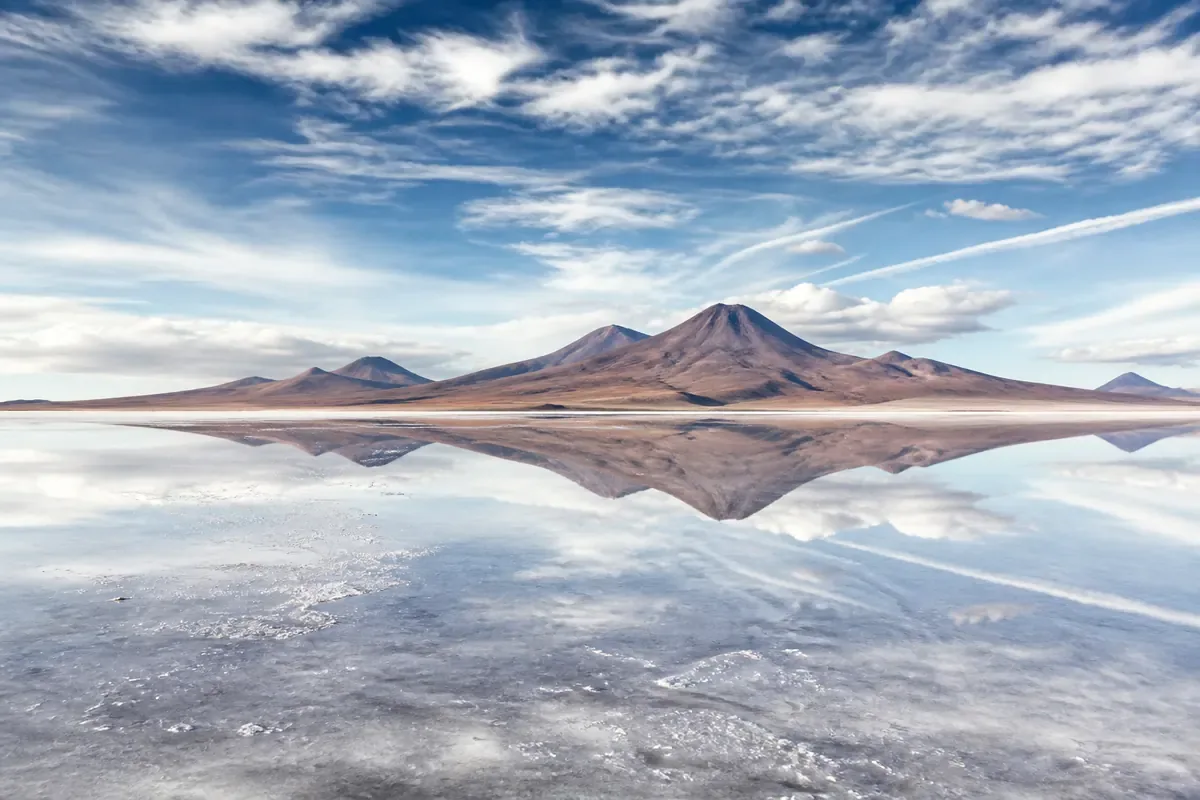
Visual illustration — scenes do not document the current conditions of the place.
Factual references
Bolivia in practice
These benchmarks are used to identify the destination, read a motto and prepare contacts. They do not describe the entry conditions or the current security.
- Capital / institutional headquarters
- Sugar (constitutional capital); La Paz (headquarters of the government)
- Currency: code to be identified
- BOB · Boliviano
- Telephone code
- +591
- Geographical code
- BO
The borders listed below correspond to the neighbours in the Azatour catalogue; they do not constitute an exhaustive list of all neighbouring countries.
Codes and monetary names: SIX, maintenance agency ISO 4217. Comparison of the benchmark made on October 6, 2026; the conditions of payment are verified with the provider.
Source: GeoNames, CountryInfo, import of , CC BY 4.0 license. The specific institutional seats are specified; no demographic data or exchange rates are included.
Destinations with a common land border
To consider a circuit, check separately the opening of borders, permits and transport. A common border does not guarantee an accessible crossing.
A step to understand and organize
Sugar: choose a route around old buildings
The historic city of Sucre retains religious buildings where local traditions and styles are met imported from Europe. Its urban set allows to compare several architectural expressions.
Source of the benchmark: UNESCO World Heritage Record. UNESCO DataHub Reference . This source documents the subject; access, tickets and transport must be confirmed separately.
The decision that changes this stage
Compare a walk in the center with a step adding internal visits. Please specify which buildings are open and the contents of the accompanying document. Organize the route connections around the time needed for this discovery, rather than book visits during a simple transit.
Three points to confirm before booking
- Accessible interior buildings
- Content of the accompanying document
- Margin before next connection
Why go?
Experiences to be missed
Use these markers to compose a program adapted to your pace. Travel times, season and accommodation location count as much as the number of places visited.
Sugar and Andean cities
Plan days that are not very busy at the beginning of the course and adapt the activities to your acclimatization.
Salar d
Landscapes and accesses change with the season. Compare vehicle, guide, accommodation and duration of the excursion.
One additional region
Add a sector only if local connections and conditions allow.
Route idea
A route to be adapted, not to be followed
This frame helps to visualize the pace of the journey. Keep margin for transfers, weather and unexpected discoveries.
- Days 1–3
Arrival and acclimation
Set up and avoid loading the first days.
- Days 4–7
Andean city
Explore a cultural base and confirm the following transfer.
- Days 8–12
Uyuni with margin
Keep a buffer day after the excursion before any major flight.
When to leave
Choose the right time
There is not a single ideal season: the best time depends on the areas visited, your activities and your tolerance to the influx or weather variations.
Dry season
Access can be easier, with cold nights on the high plateaus.
Rain season
The salar reflections attract, but some routes may become impassable.
Year-round
Check altitude, weather and road conditions at your dates.
Before booking
Checks that avoid bad surprises
- Ask for a medical opinion if the altitude presents a risk to you.
- Follow the recent official advice on safety and transportation disruptions.
- Compare the excursions with the same services and conditions.
- Keep the entry documents and confirm the applicable formalities.
The formalities and recommendations may change. Check them before departure and check local information to prepare visits.
Travel Reports — France DiplomacyFrequently Asked Questions
Bolivia: Questions Before Departure · Global Voices
Why do we plan on acclimatisation days?
They allow the body time to adapt to altitude and reduce the pace if necessary.
Is the salt the same all year long?
No. Rain changes the appearance of the landscape and may limit some access.
Should we book a margin before the flight back?
Yes, long connections and local conditions can disrupt the program.
Pursue as you please
Travel ideas around Bolivia
These files compare several destinations according to the type of stay. They help to put this guide back in a wider choice.